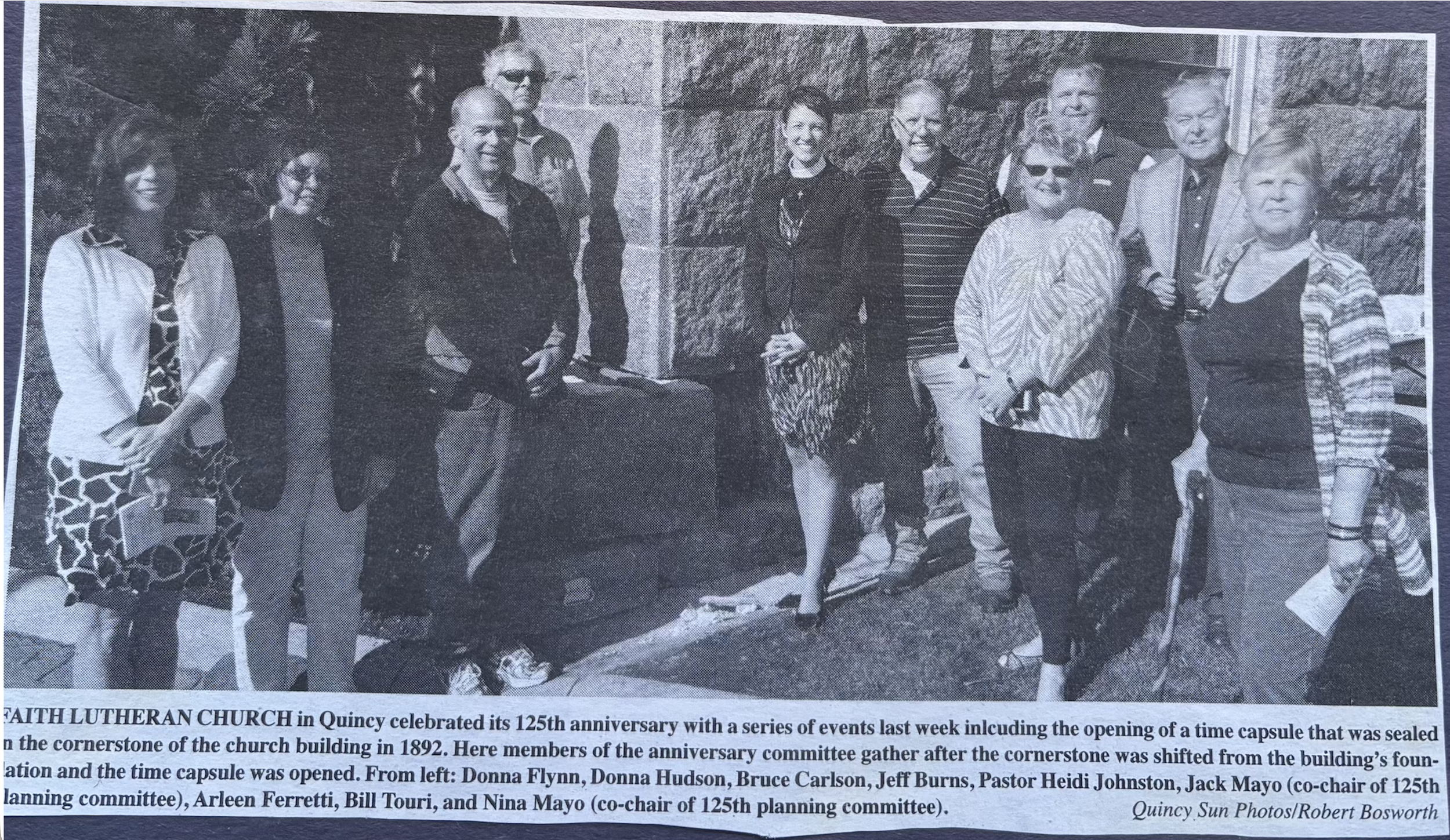
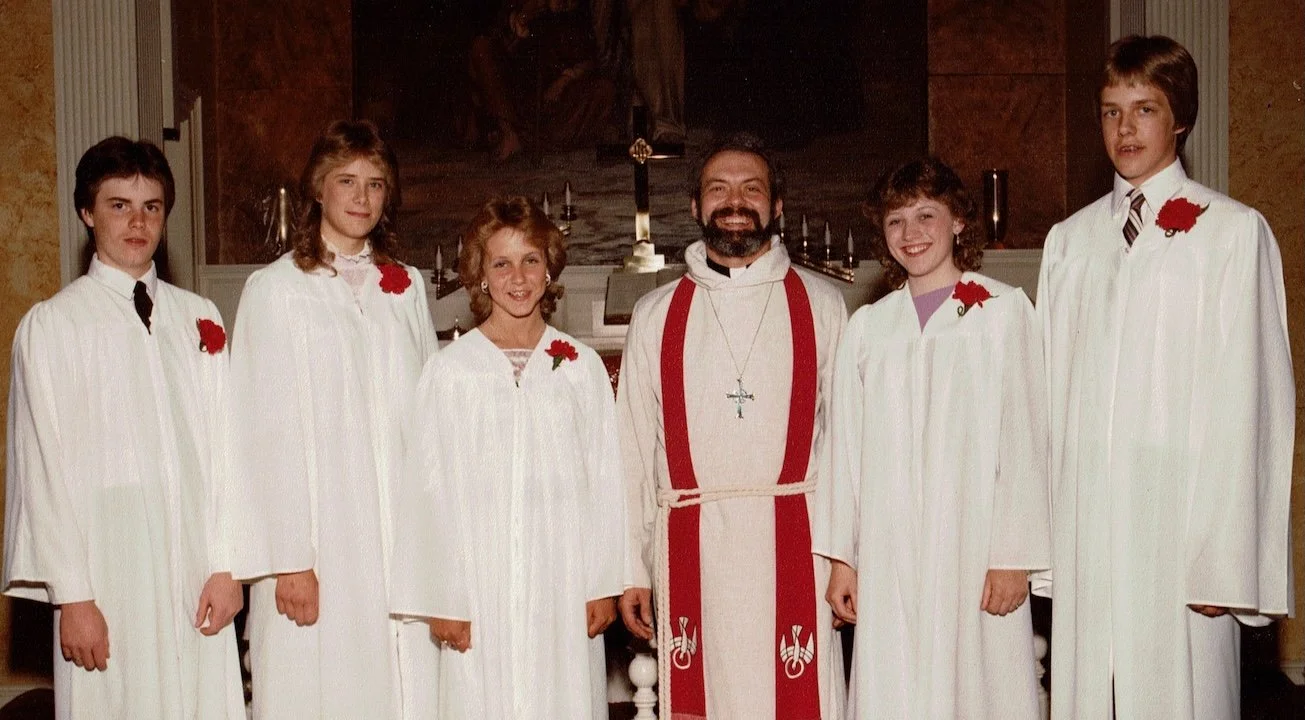
Confirmation class, 1984, with Pastor JP Kimmel, including Julie Nelson (2nd left),and her brother Jack (far right), children of Bradford Nelson, and at the far left, Jan Savoie, son of Terttu Savoie.
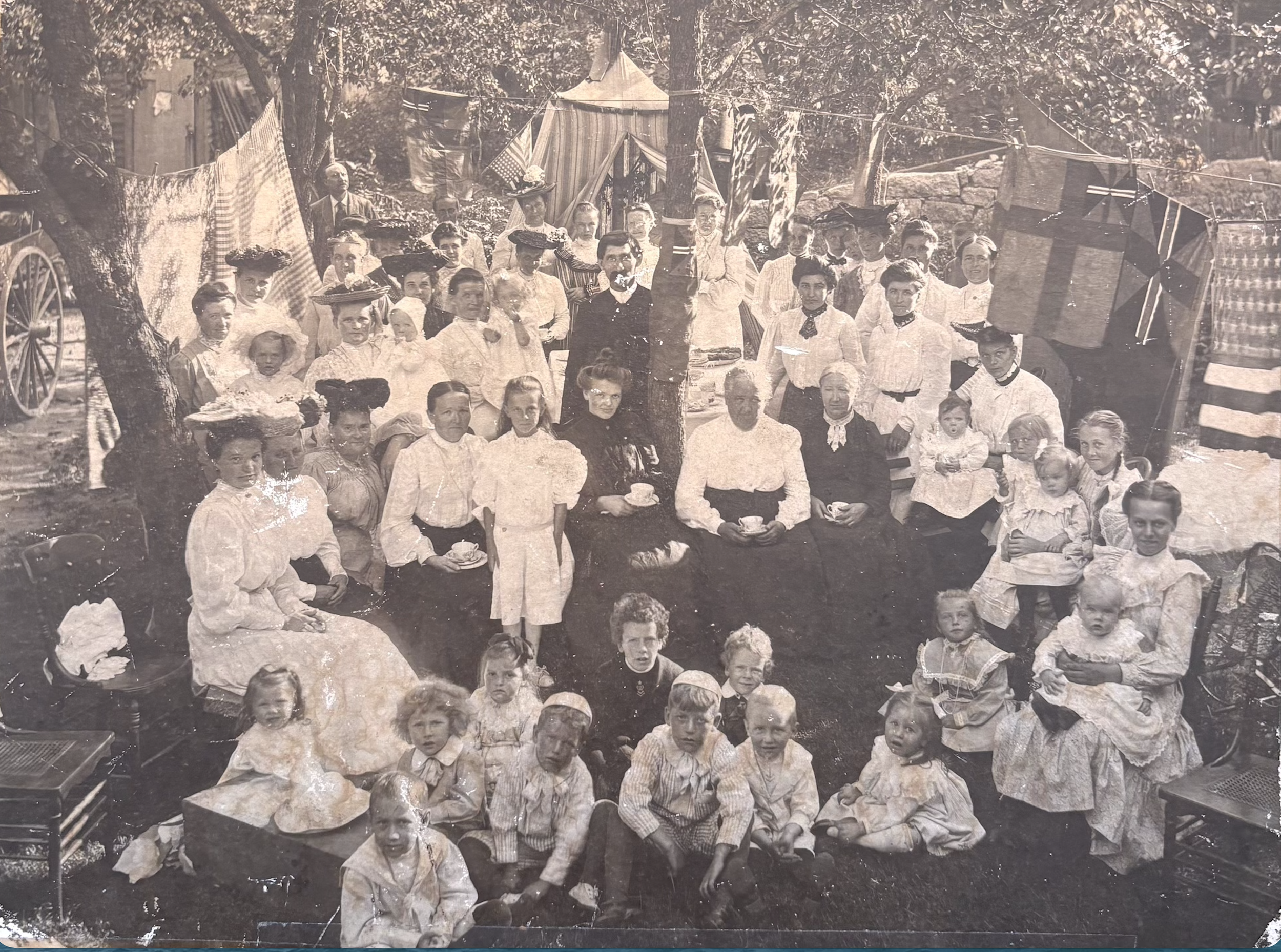
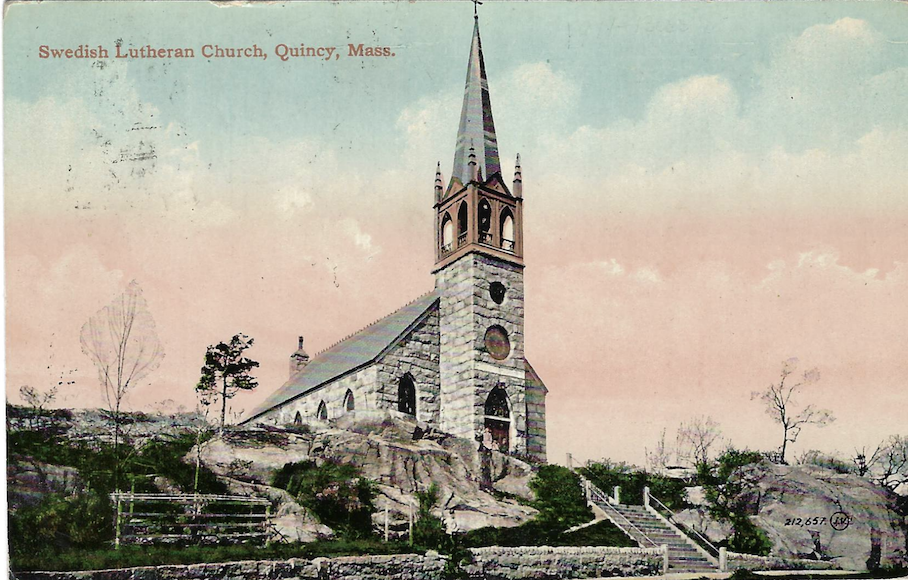
Faith Lutheran Church of Quincy is the name of a congregation with deep roots in our community, dating back to the 1880s.
Our foundations begin with the establishment of two local churches: Salem Lutheran Church and Trinity Lutheran Church.
Salem (a word derived from “shalom,” or “peace” in Hebrew) was affiliated with the former Swedish Evangelical Lutheran Augustana Synod. You can still see “SV. EV. LUTH. SALEM KYRKA,” or Swedish Evangelical Lutheran Salem Church, carved in granite above our front door.
Trinity Lutheran Church was part of the Finnish Evangelical Lutheran Church of America.
Our congregation took the name “Faith” in 1974 when these two churches merged to become one faith community.
The current building was completed in 1894. It was built from rock cut on site by our own congregants, many of whom were Swedish immigrants working nearby in Quincy’s granite quarries. Donations for construction came from many church members, as well as generous outside benefactors including Charles Francis Adams, a descendent of two U.S. Presidents and a public official in his own right, and the famous Quincy entrepreneur Henry H. Faxon.
The church steeple received its bell in 1895, thanks to the generosity of Henry Faxon. It bears the inscription: “And the rain descended, and the floods came and the winds blew, and beat upon that house; and it fell not: for it was founded upon a rock” (Matthew 7:25). Through the years, the Church has come to be known as “The Church on the Rock,” not only because of its location atop a hillock of granite, but also because of this inscription on the bell.
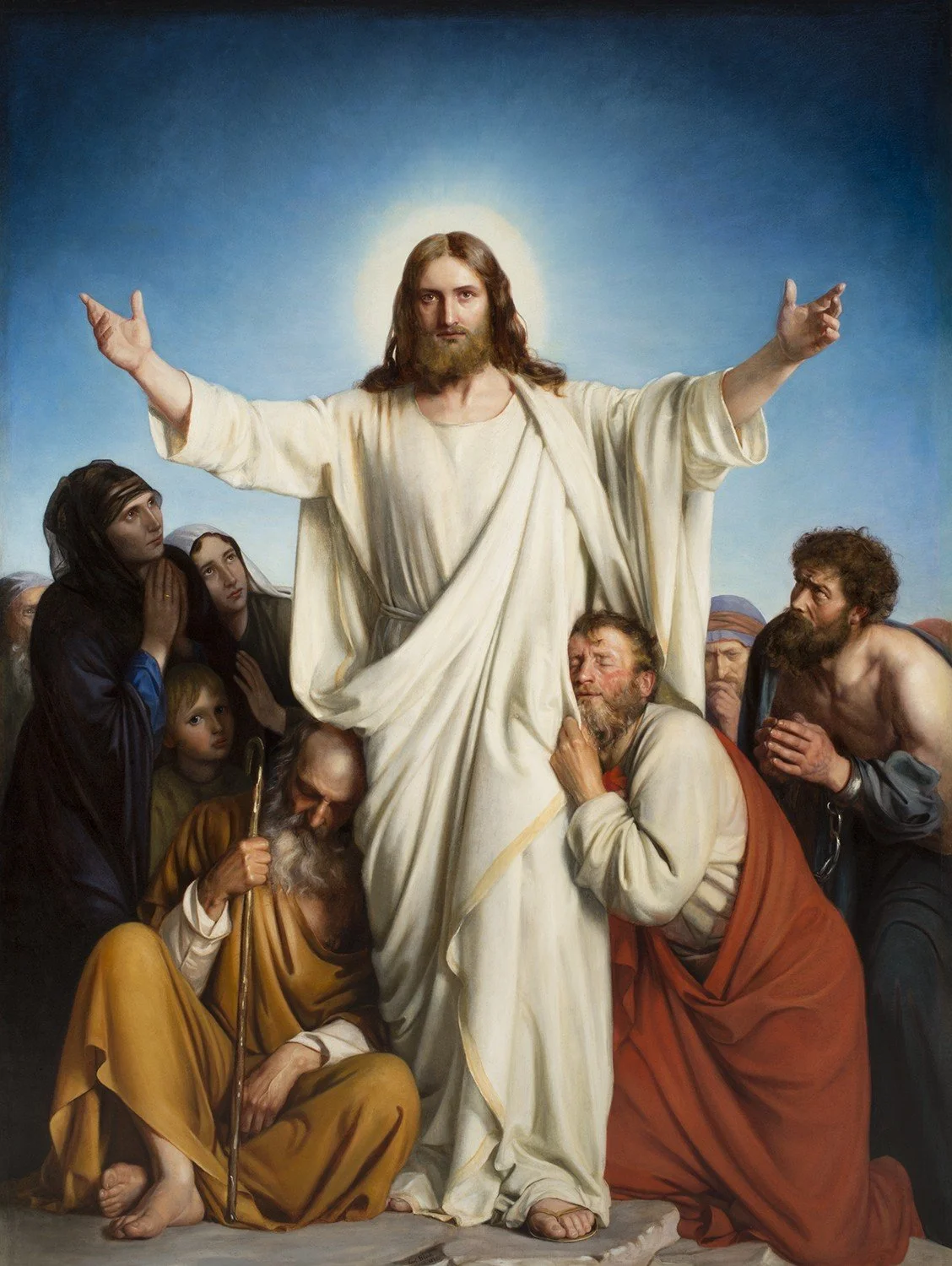
In 1908, the church installed its main altar piece, a copy of Carl Bloch’s famous painting “Come Unto Me.” (You can read more about that, below.)
Our choir makes beautiful music with help from our 1909 pipe organ, made by the Hook and Hastings company, the premier Boston-based organ manufacturer which produced the 1875 organ located at the Cathedral of the Holy Cross. (The church originally used an old hand-pumped reed organ, but it was replaced thanks to the help of generous contributors – including the famous steel tycoon and philanthropist Andrew Carnegie.) At Faith, what’s old is new: The organ was recently refurbished in time for a fun-filled and successful concert open to the community on May 25, 2025. (For more about our wonderful organ and its historical significance, see the national Pipe Organ Database.)
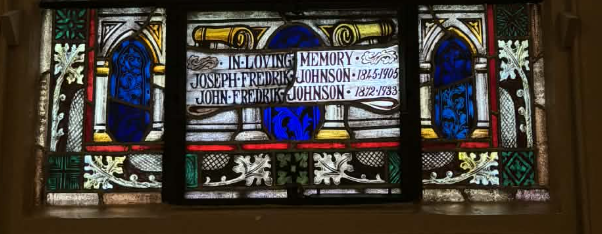
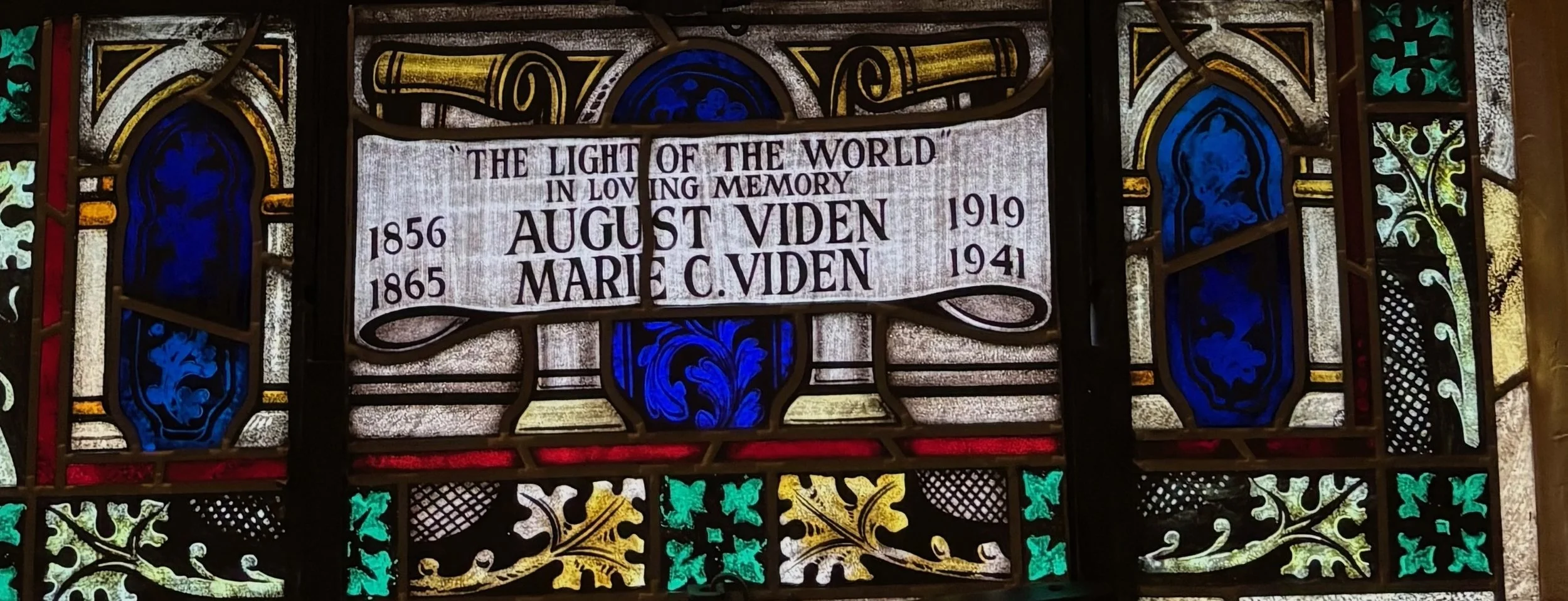
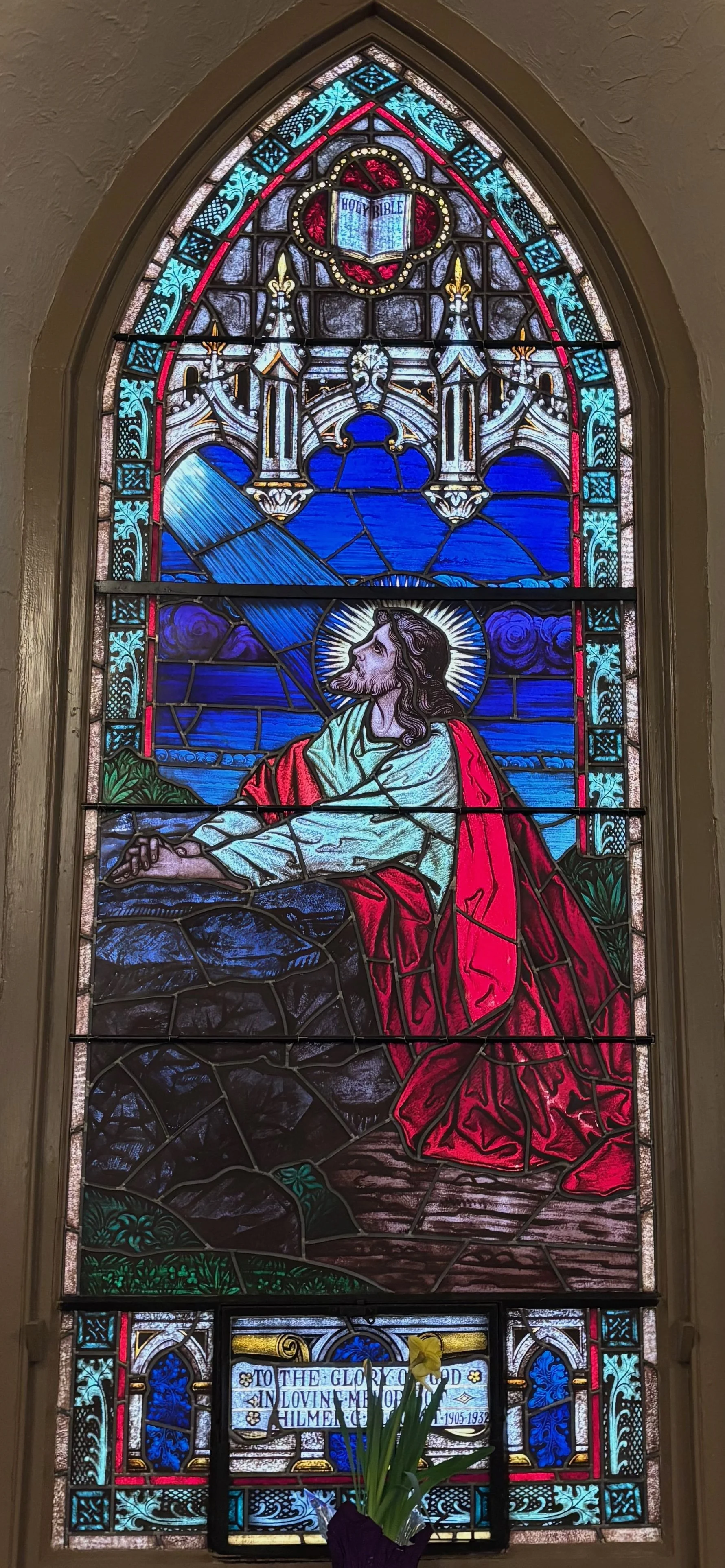
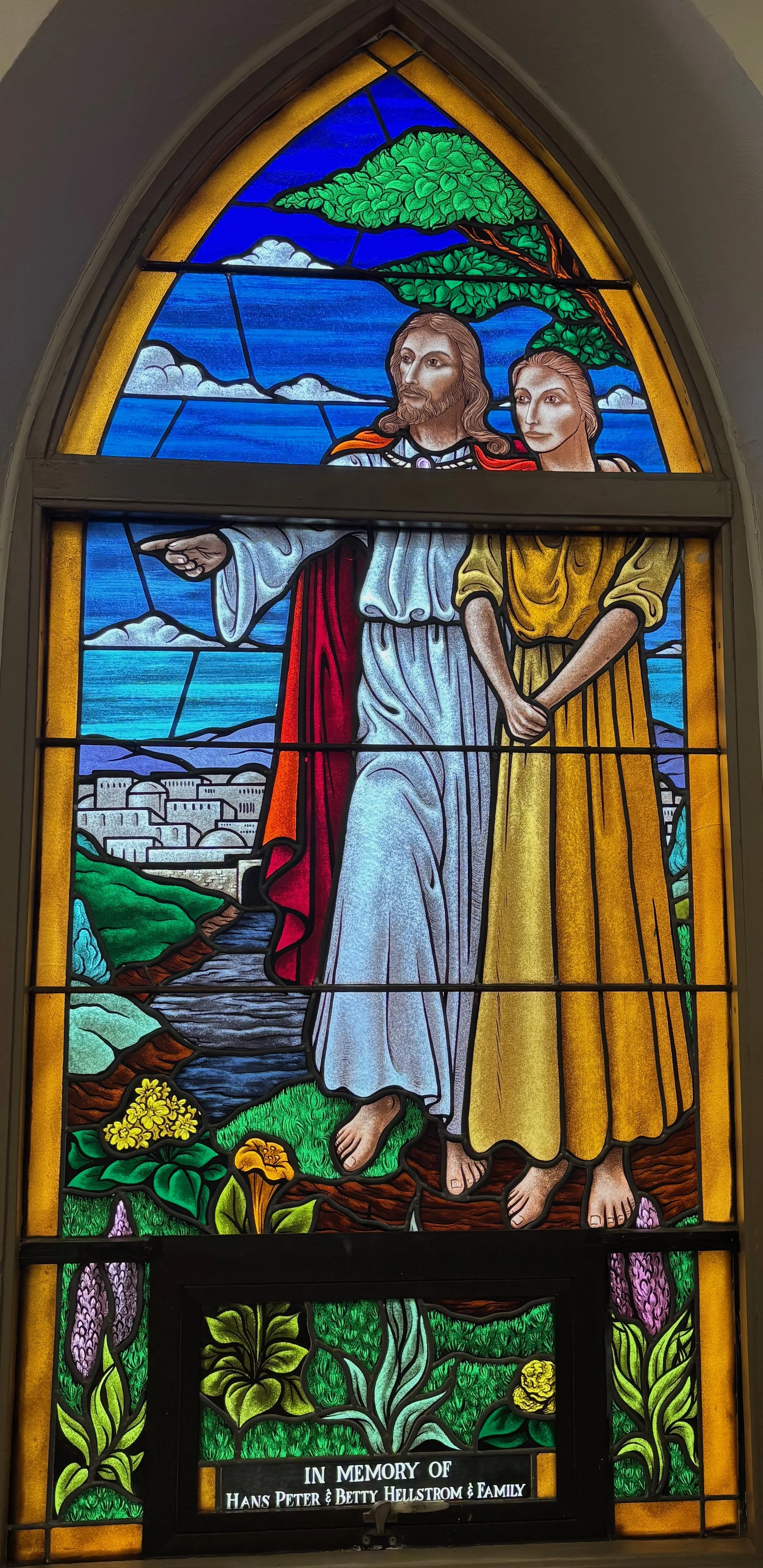
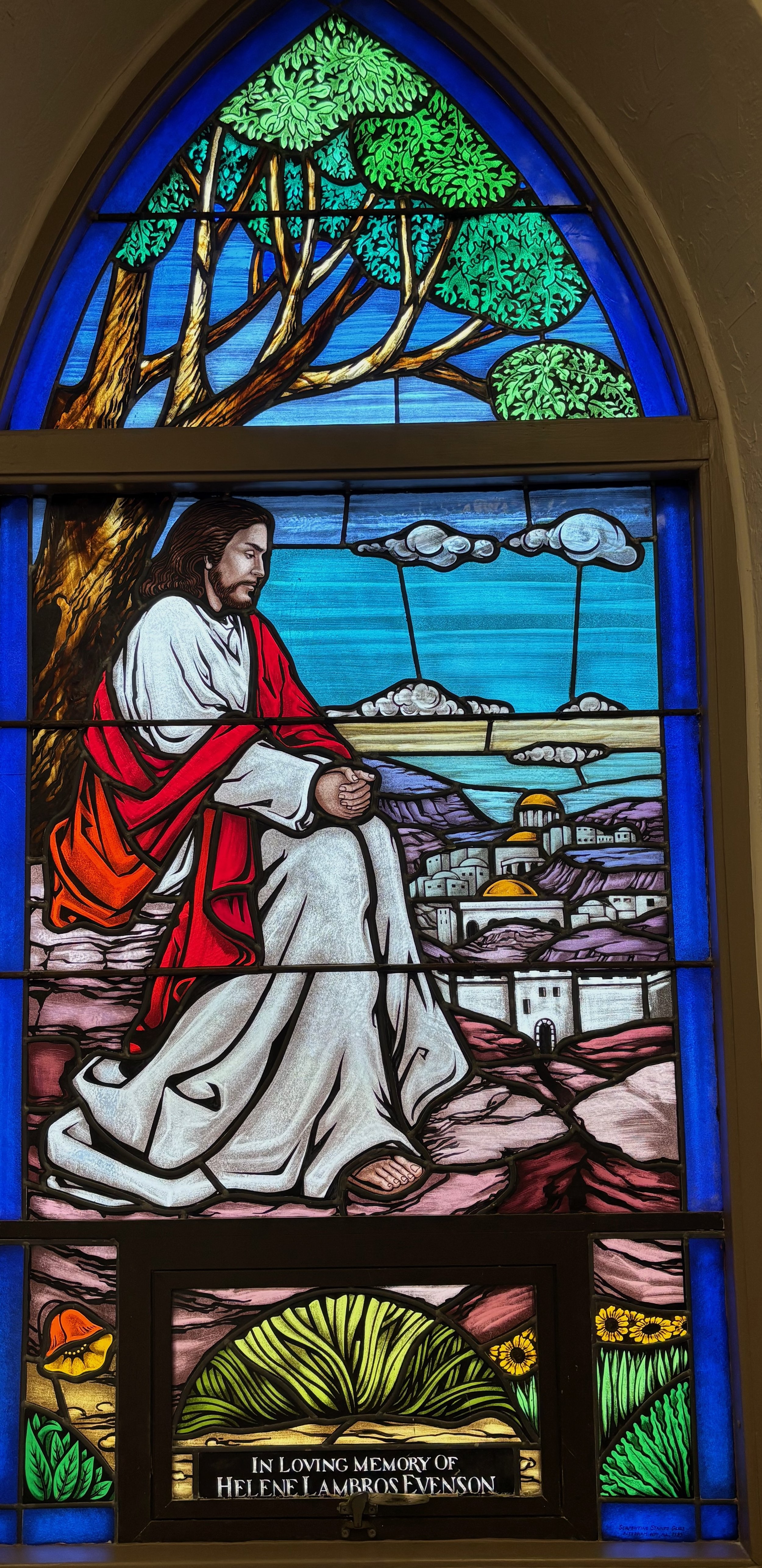
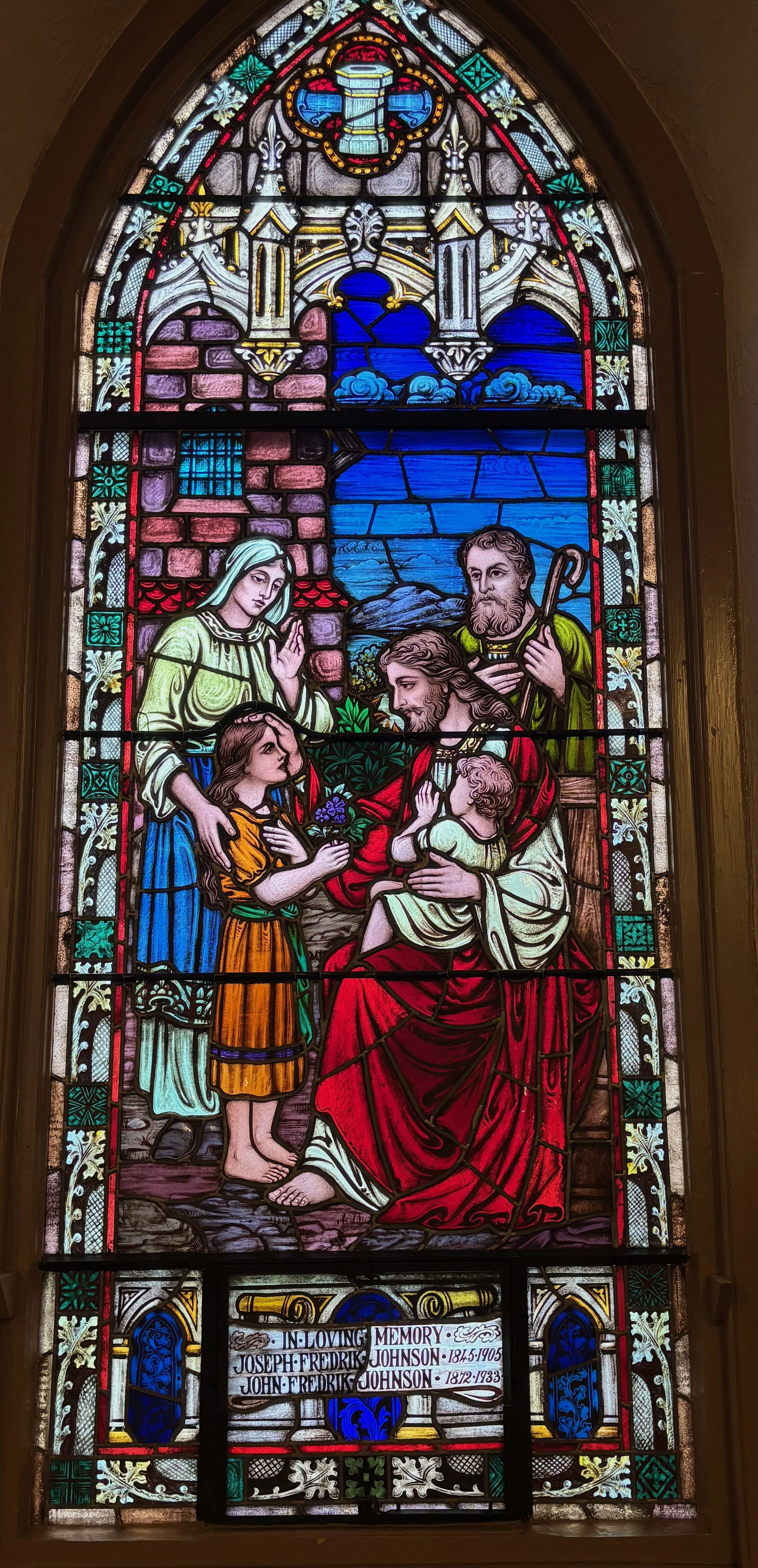
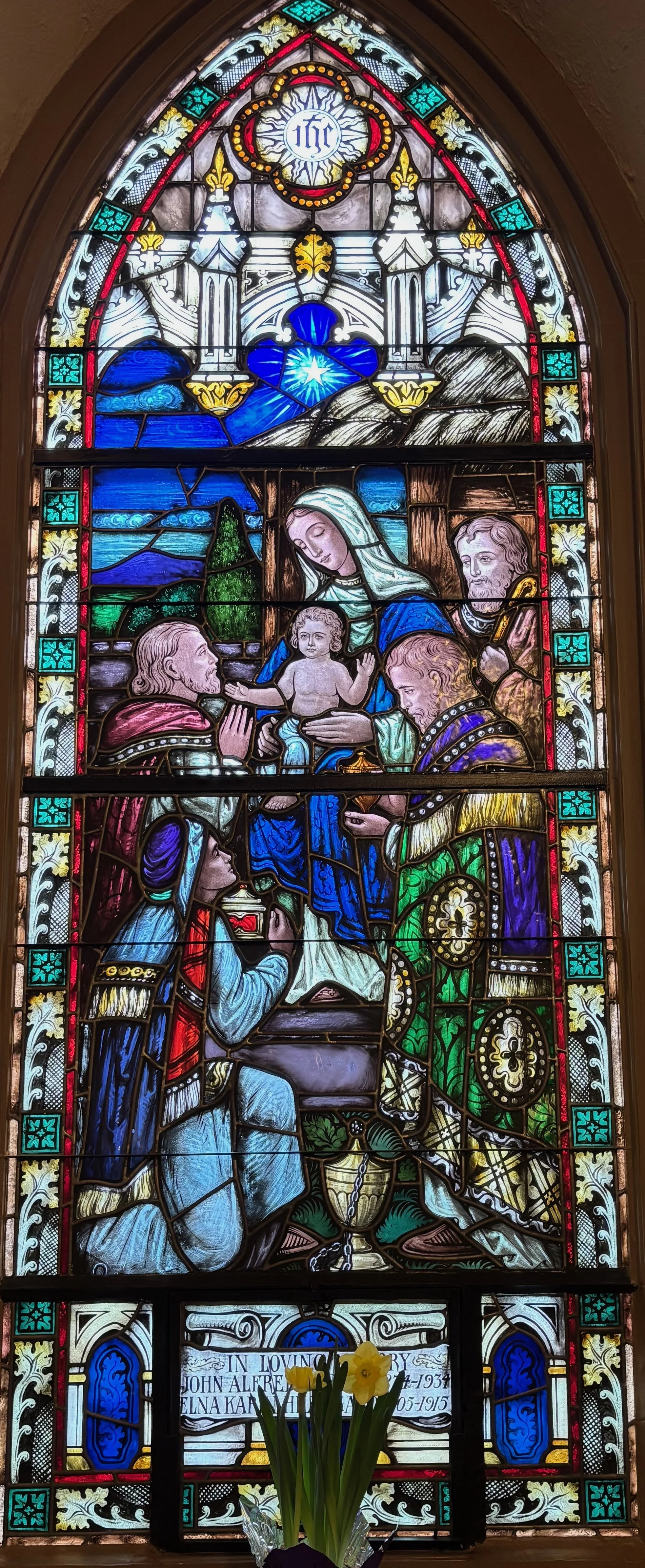
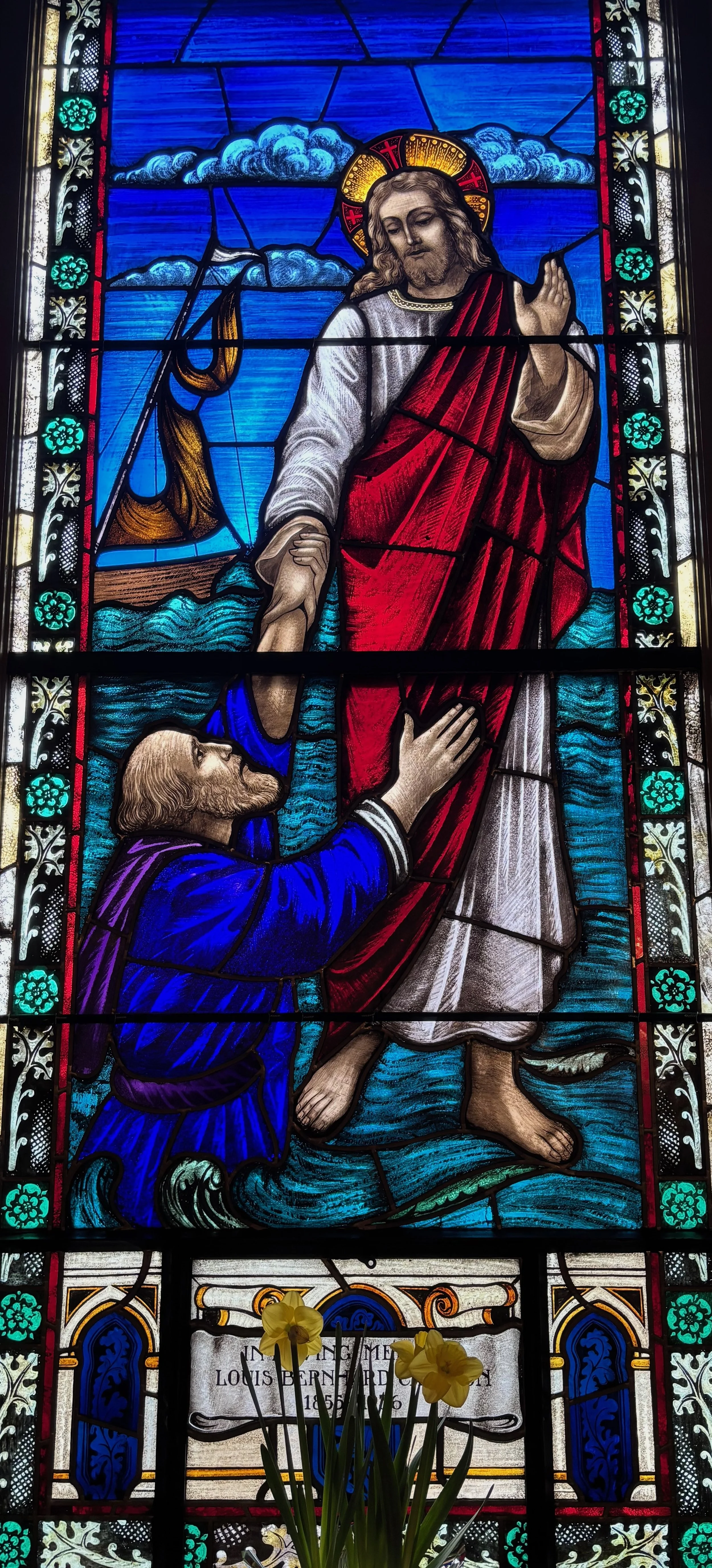
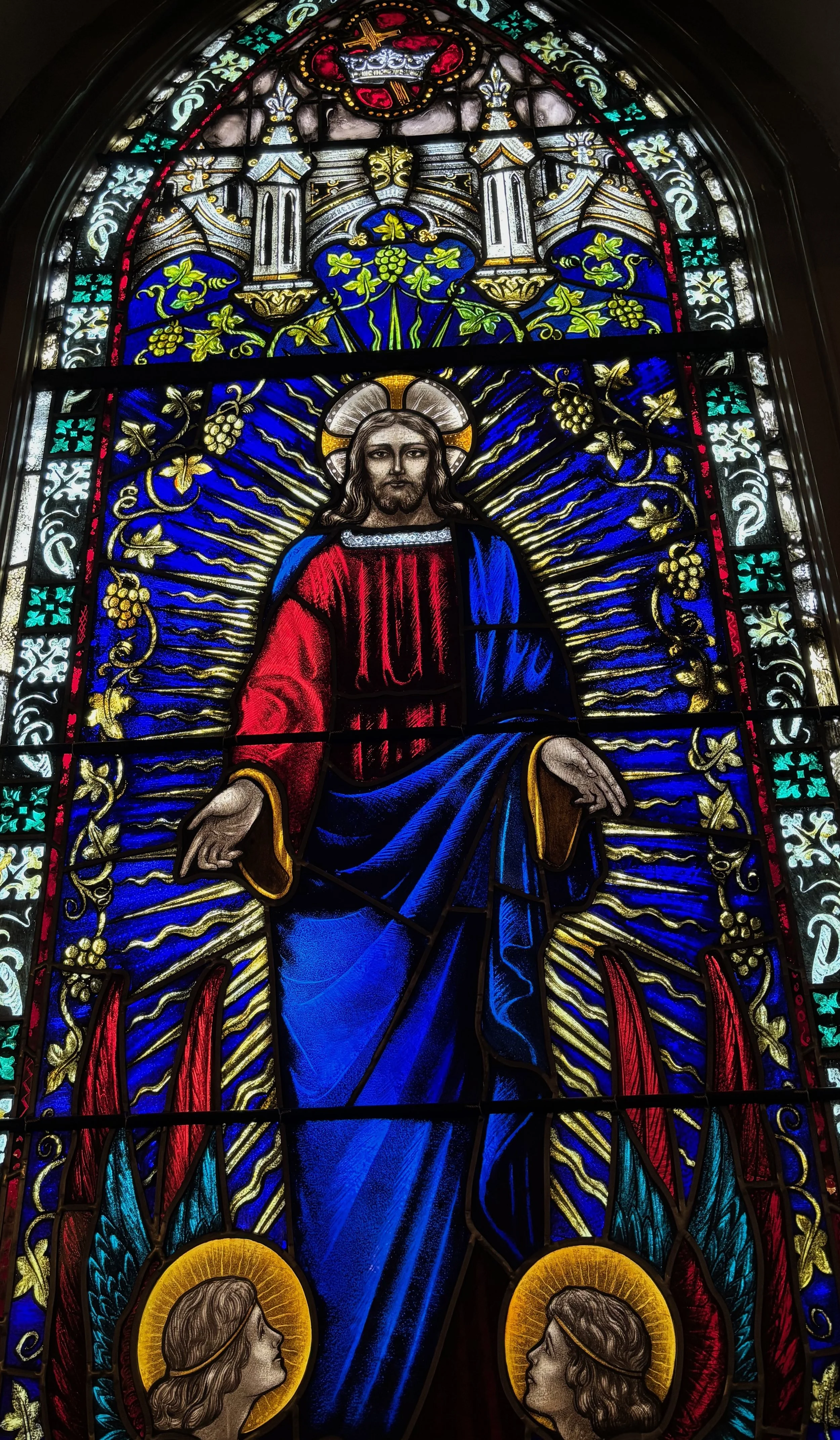
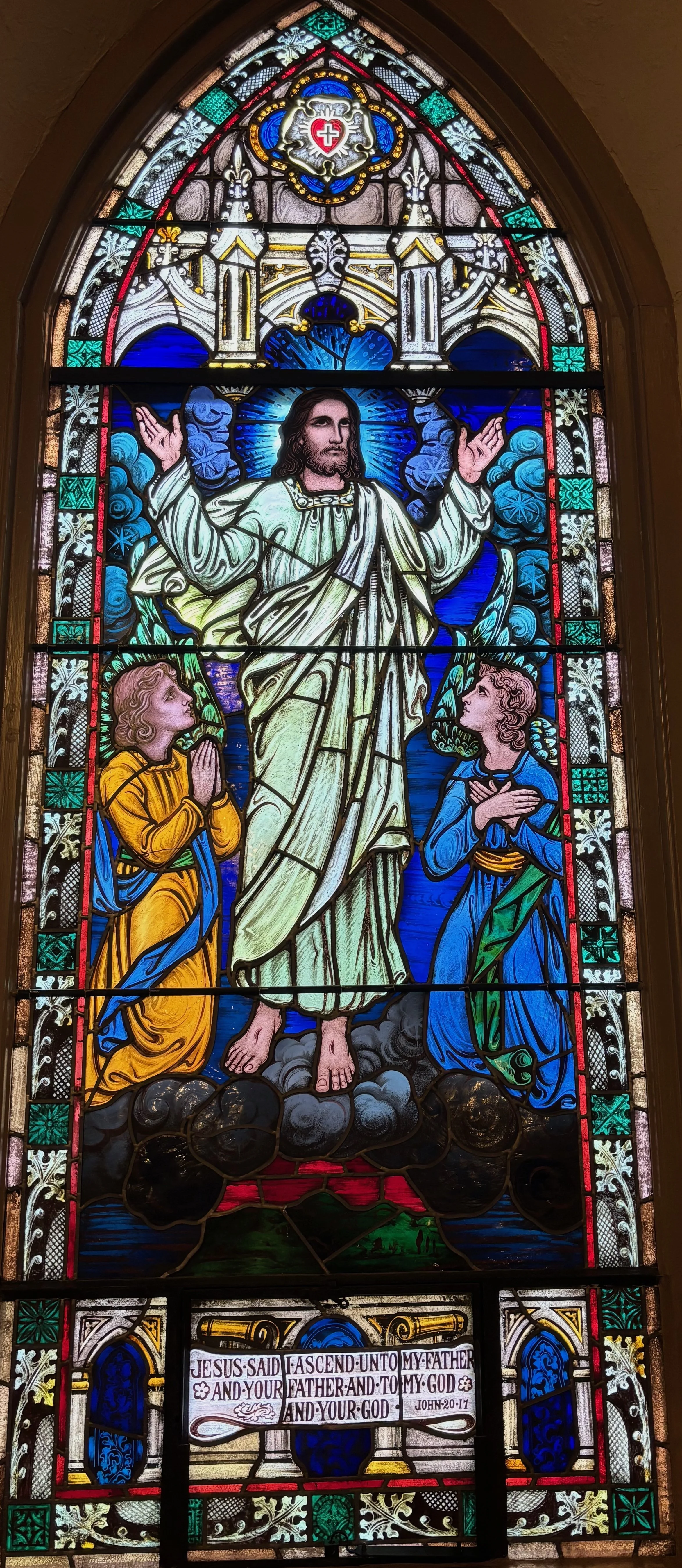
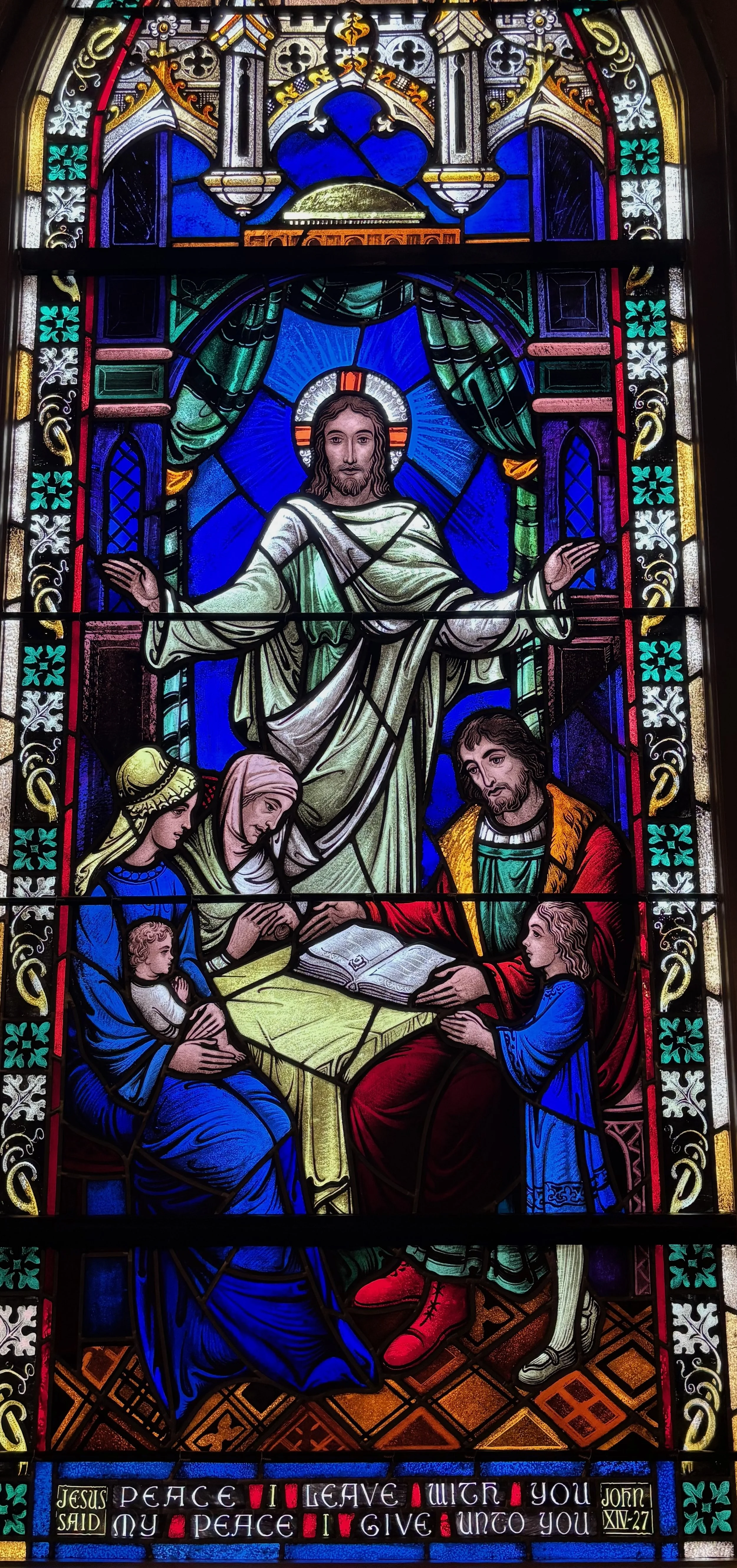
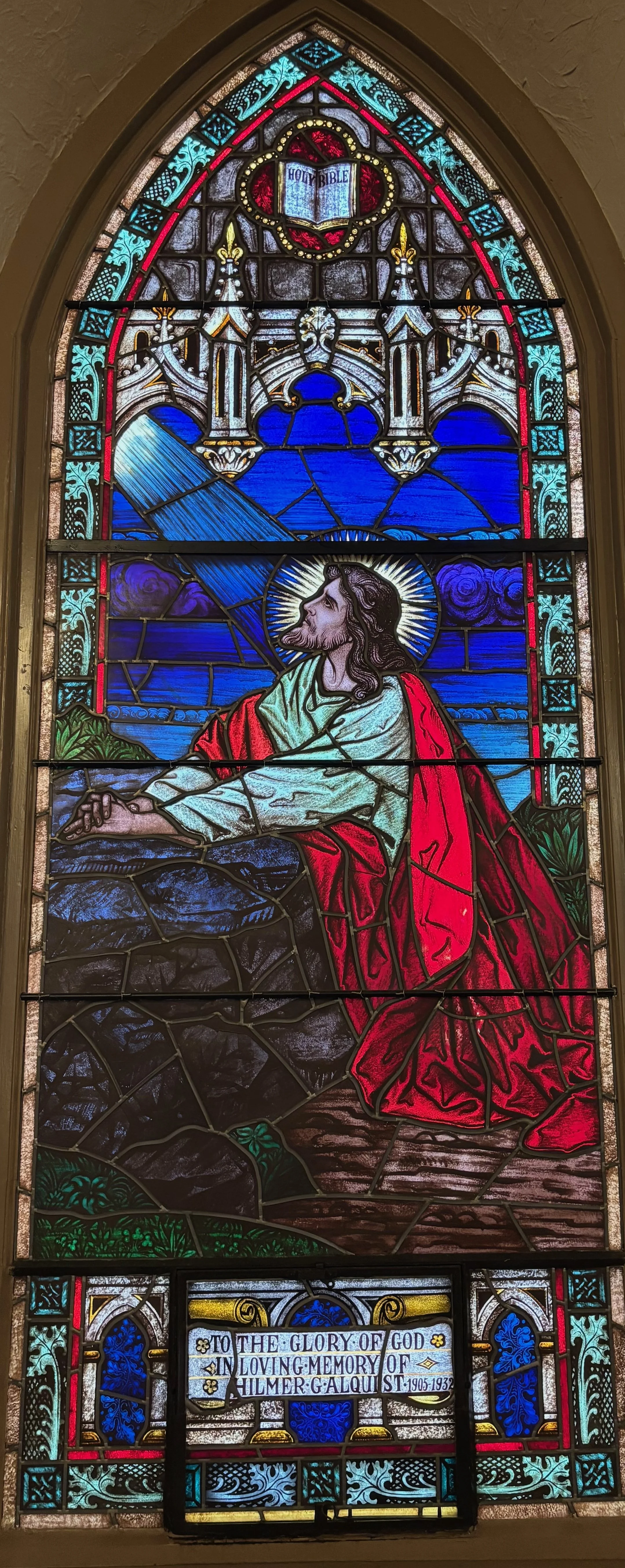
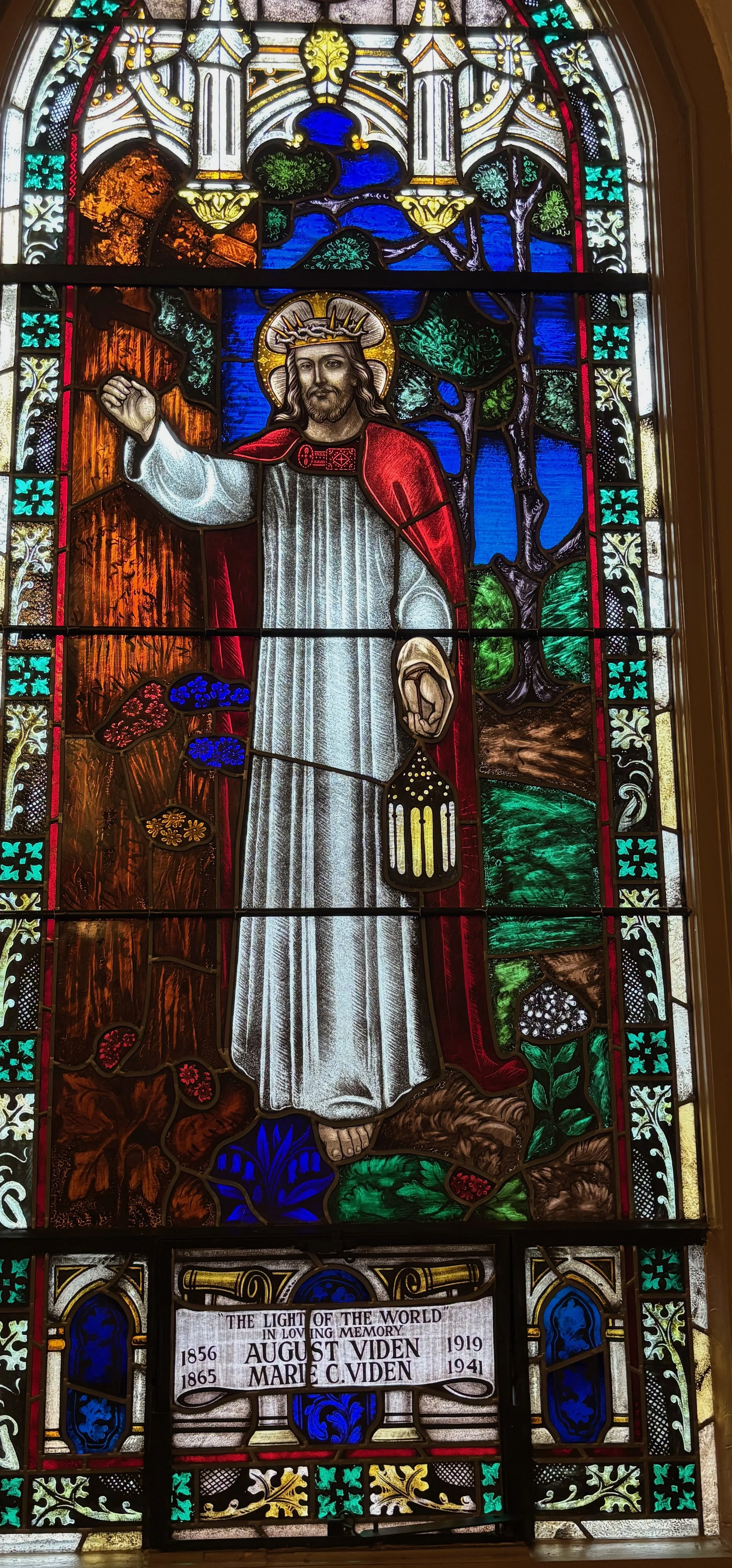
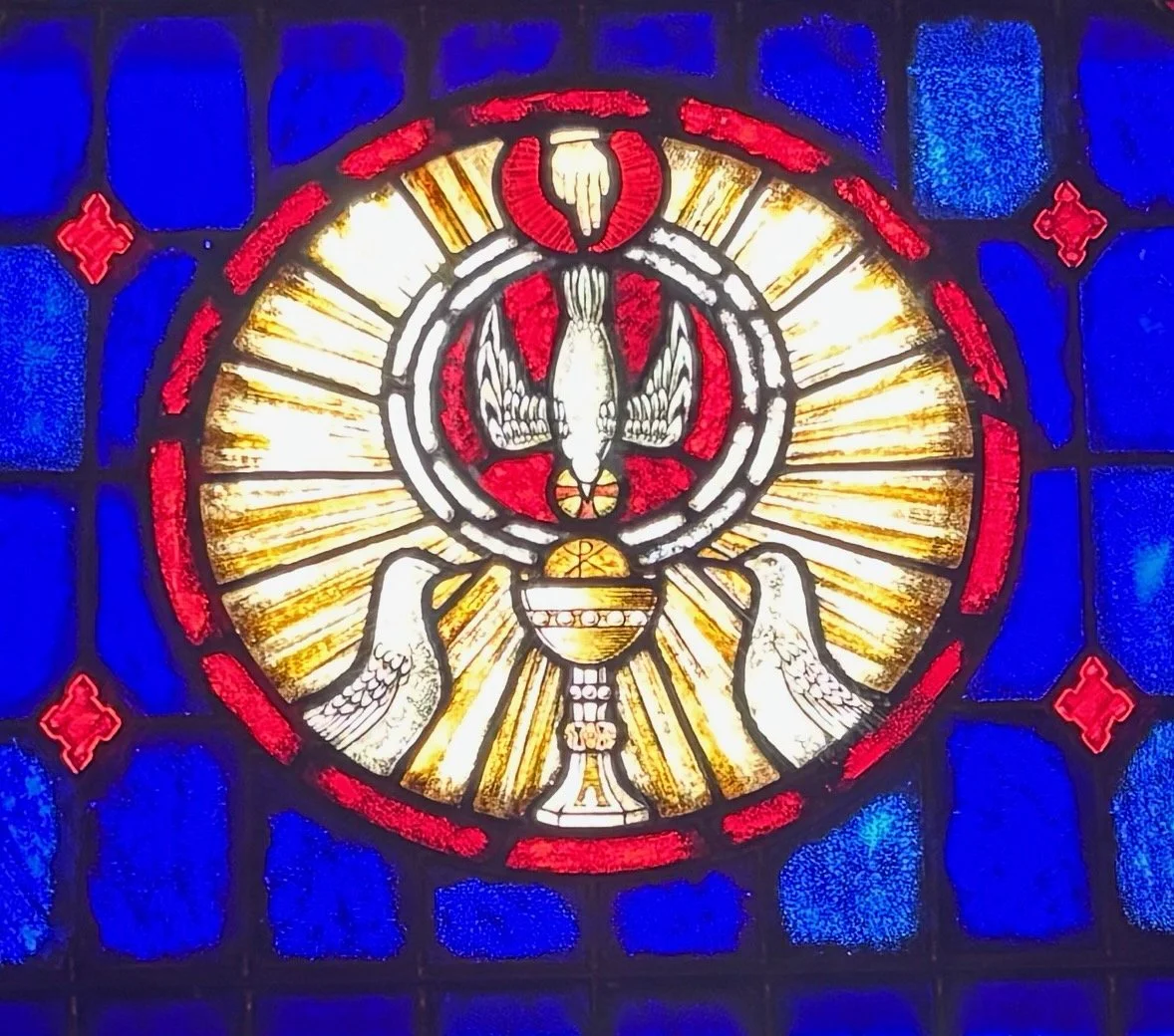
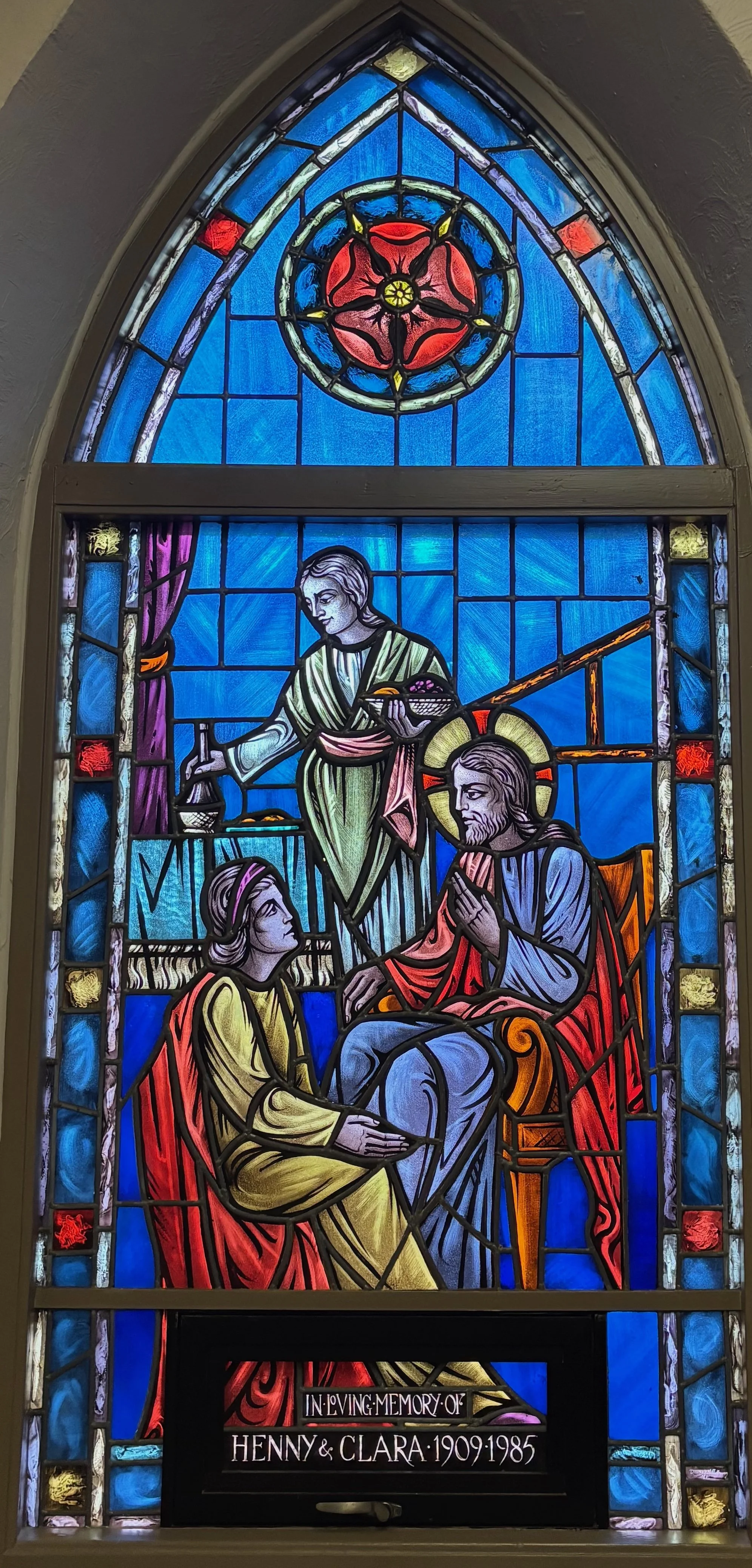
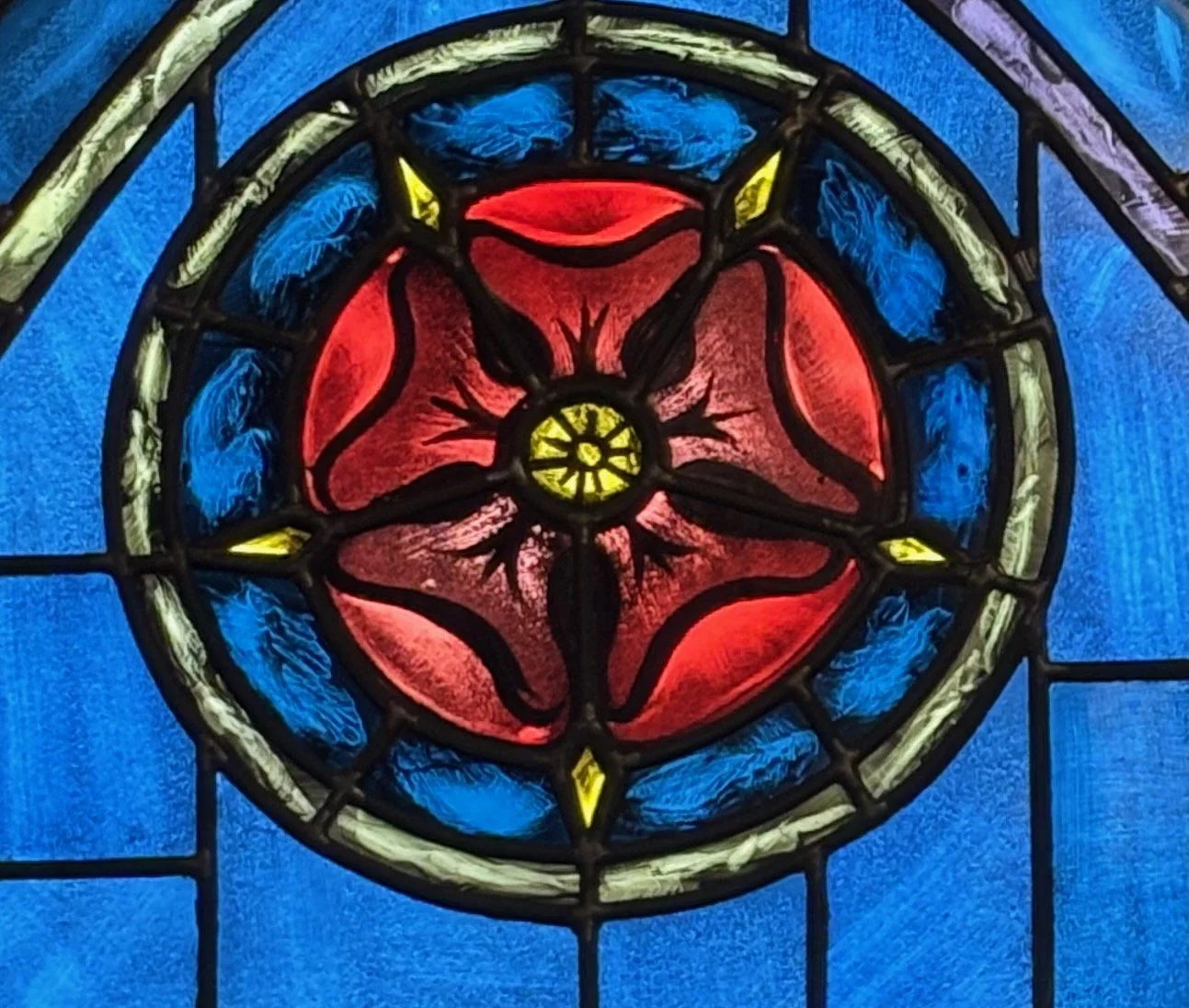
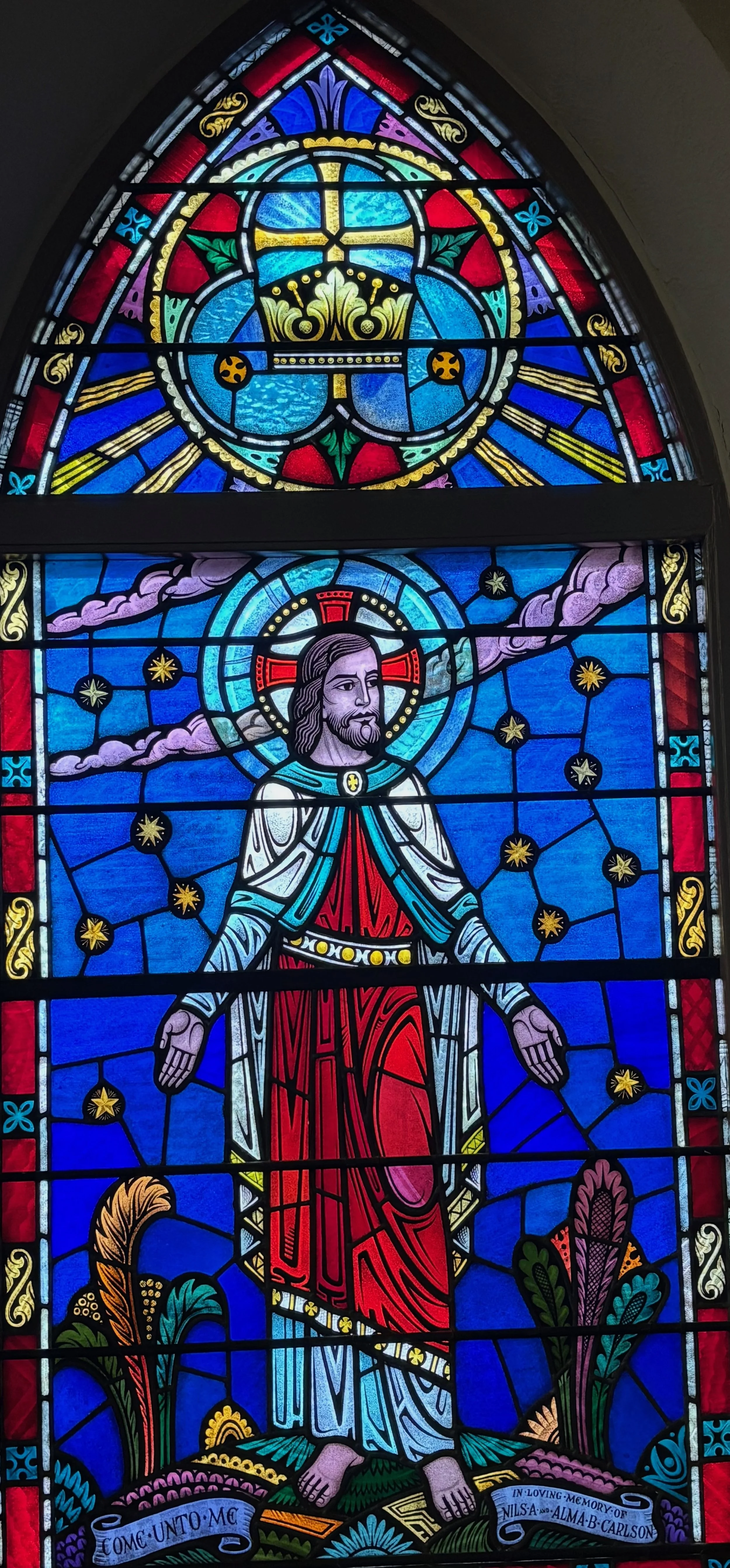
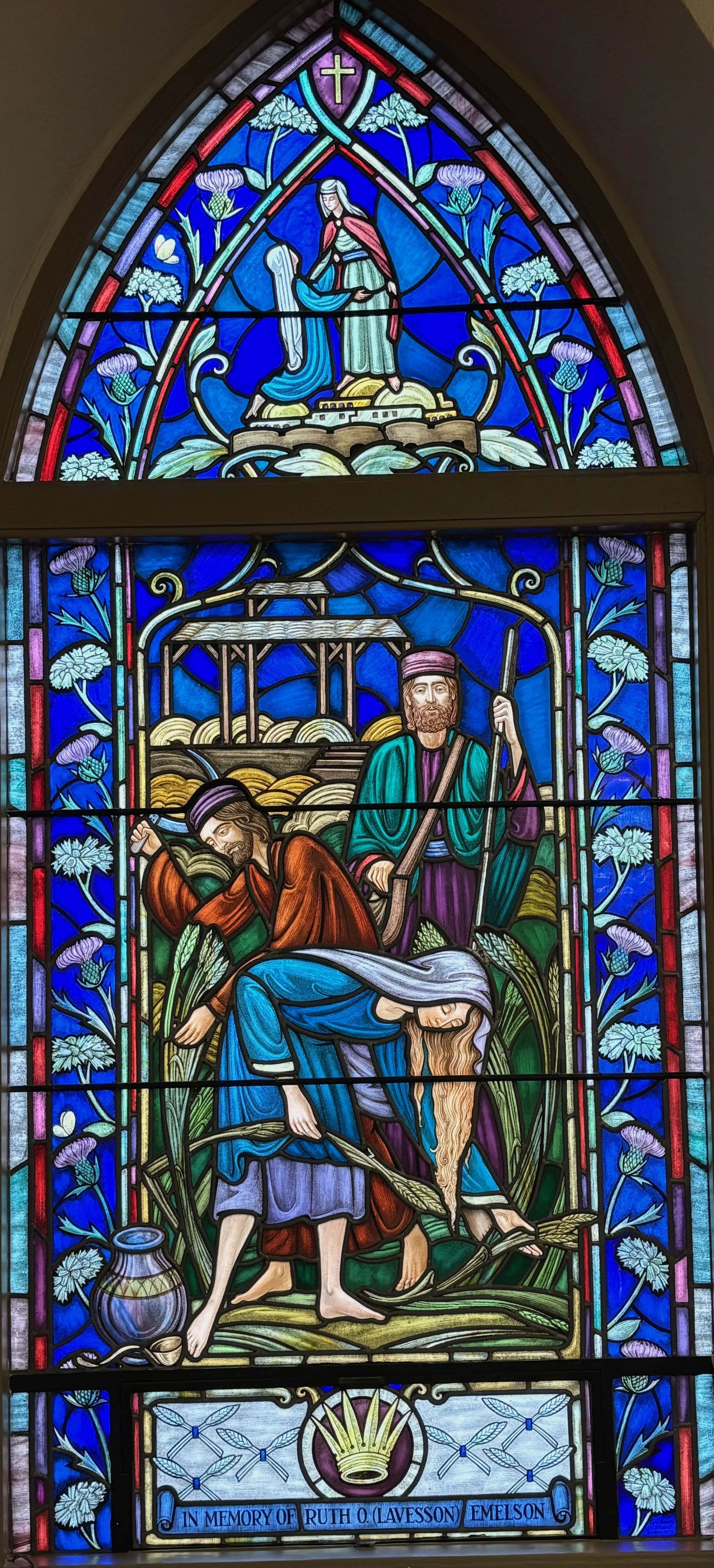
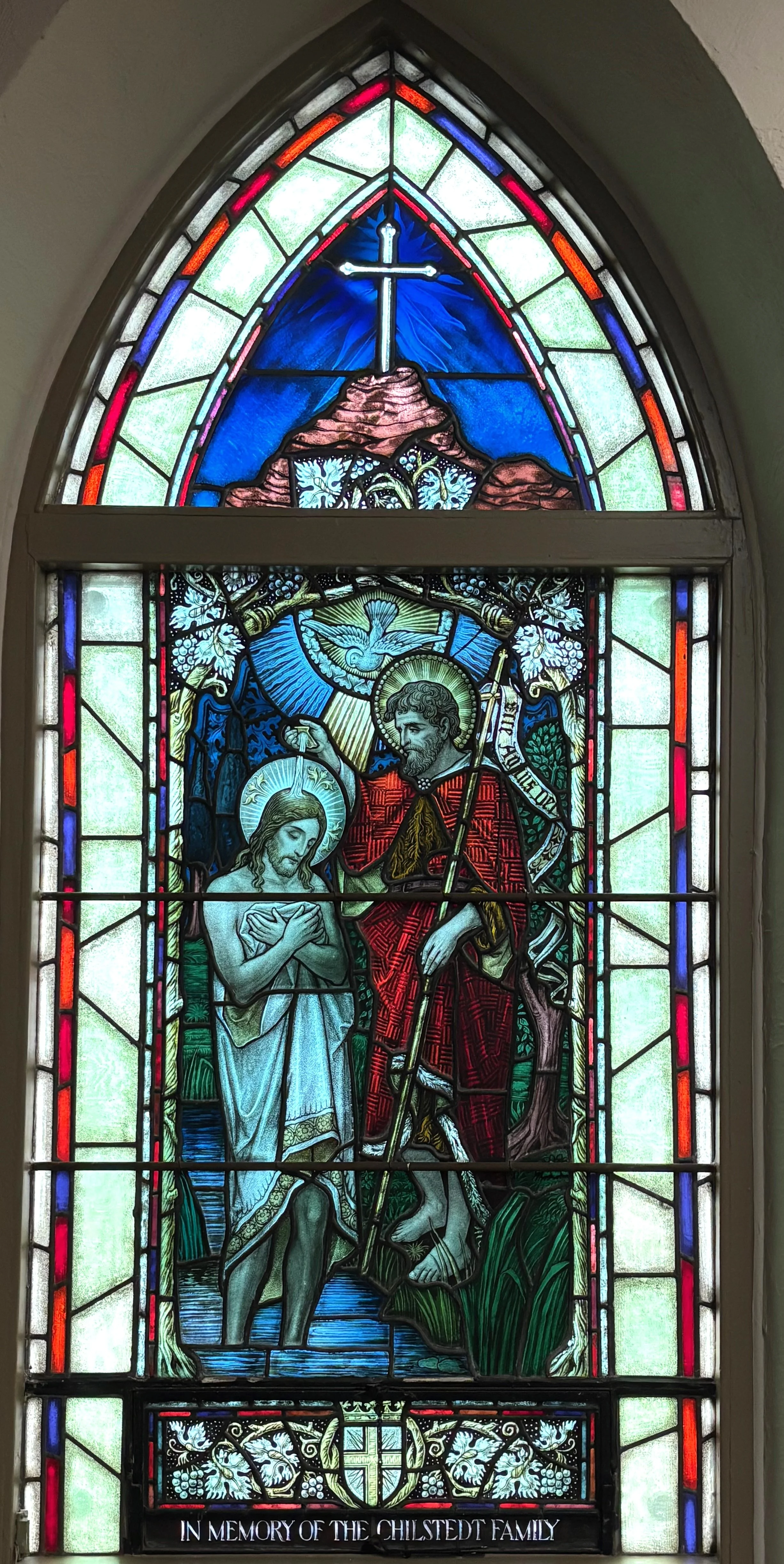
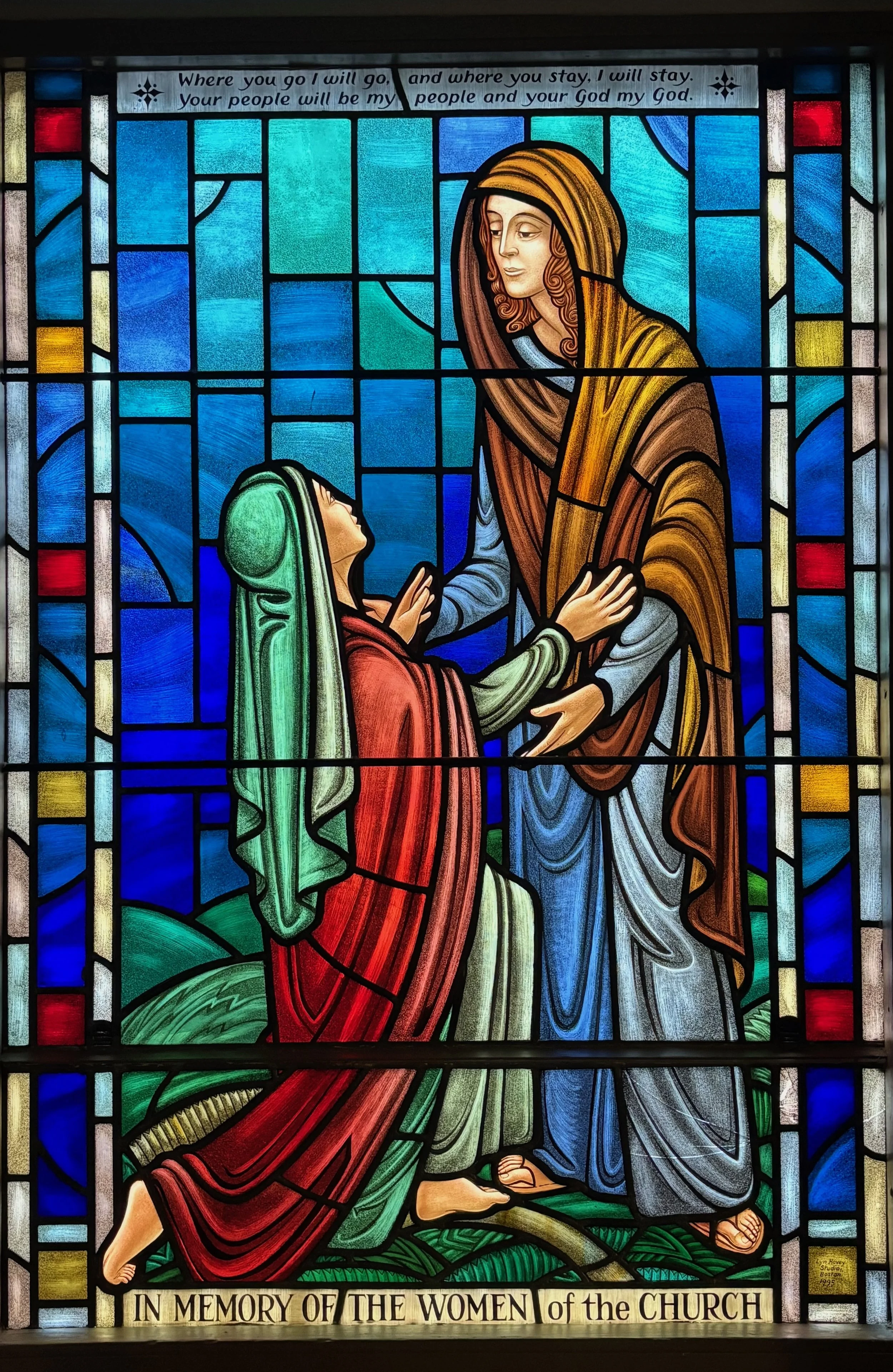
Our stained-glass windows (all shown just below this section) began to be installed in the church sanctuary and adjoining spaces during the 1930s and 40s.
In 1963, the church acquired more real estate when a parcel of land was deeded to it by Mrs. Lena Ruggiano, adding to land holdings that had grown in the early 1940s, most notably by the purchase of the parcel that became its parking lot.
Over the years – especially in 1964, at Salem’s 75th anniversary, the church building and its adjoining offices underwent remodeling, expansion, modernization, and an upgrading of its furnishings, organ, and art works.
What about Trinity Lutheran? The Trinity Lutheran Church building – which is still standing on Roberts Street in Quincy – was kept as an ancillary hall for several years, renamed the Faith Center, used for community and parish outreach programs and special services, until eventually sold to an outside group.
Faith Lutheran Church continues to make history. It has always been open and welcoming to strangers, consistent with its roots as a home to immigrants. In 2020, it affirmed this foundation by adopting an Affirmation of Welcome to people of all sexual orientations, gender identities, and gender expressions. We are a “Reconciling in Christ” congregation where all people are welcome, included and celebrated.
The History of Faith Lutheran Church
The facts presented here are drawn from a detailed account compiled by Rachel H. Kasianowicz in 1979, on file in the church office, and transcribed in the attached pdf. Also on file are the hand-written reminiscences of FLC member, B. Bernard Turnquist, composed in 1989, covering the first half of the 20th century, beginning in 1912 his first day of Sunday School, and also transcribed in the attached pdf.



The Faith Lutheran Altarpiece
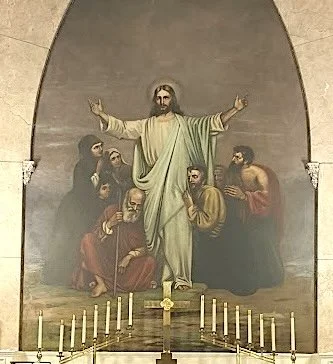
The altarpiece in the sanctuary of Faith Lutheran Church is a copy of a famous, widely copied painting by one of the most accomplished Danish painters, Carl Bloch (1834-1890). Its formal title is “Christus Consolator,” but it is more commonly known as “Come Unto Me.”
The original is in the Art Museum of Brigham Young University, which owns several of his religious works. Unlike the rest of Bloch’s work, which displays a more dynamic, painterly, and sophisticated style, his religious works, such as the present one, are done in a carefully controlled, somewhat staid academic fashion.
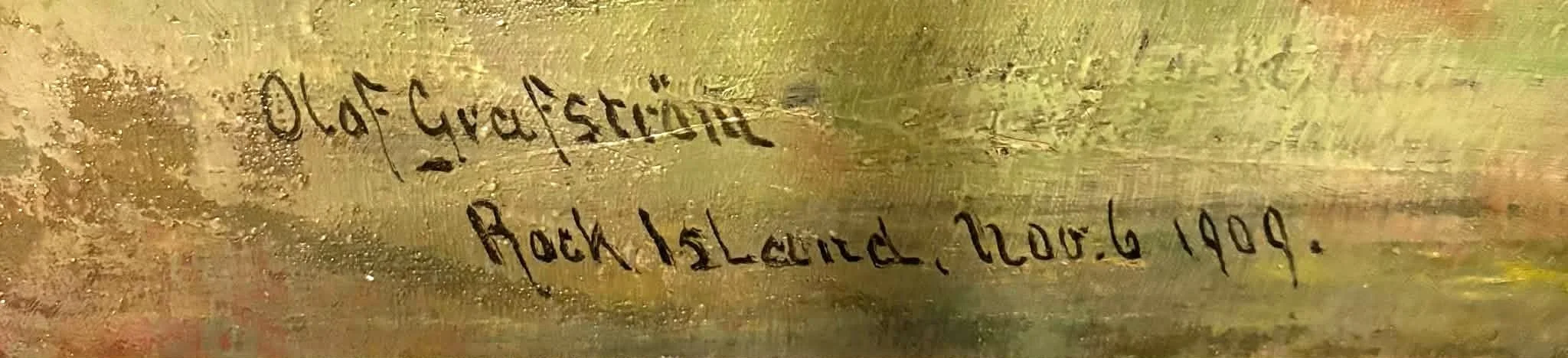
The Faith Lutheran copy was executed in 1909 by Olaf Grafström (1855-1933) of Rock Island, Illinois and head of the art department of Augustana College there.
In his version — one of several that he created over the years — Grafstrom exchanged the luminous palette of the original for one of far more somber tones, and set the figures against a grey-brown sky, instead of the deep blue of the original. It was last restored in 1971, as part of the church’s Seventy-Fifth Anniversary celebration.
(Our thanks to Mr. Bradford Nelson, FLC member, for the information about the copyist.)